Your business didn't get here by accident. Because it succeeded. The company became bigger But here's the part of growth we don't talk about enough: Every new level of business places a new demand on the infrastructure underneath it.
Article
Content
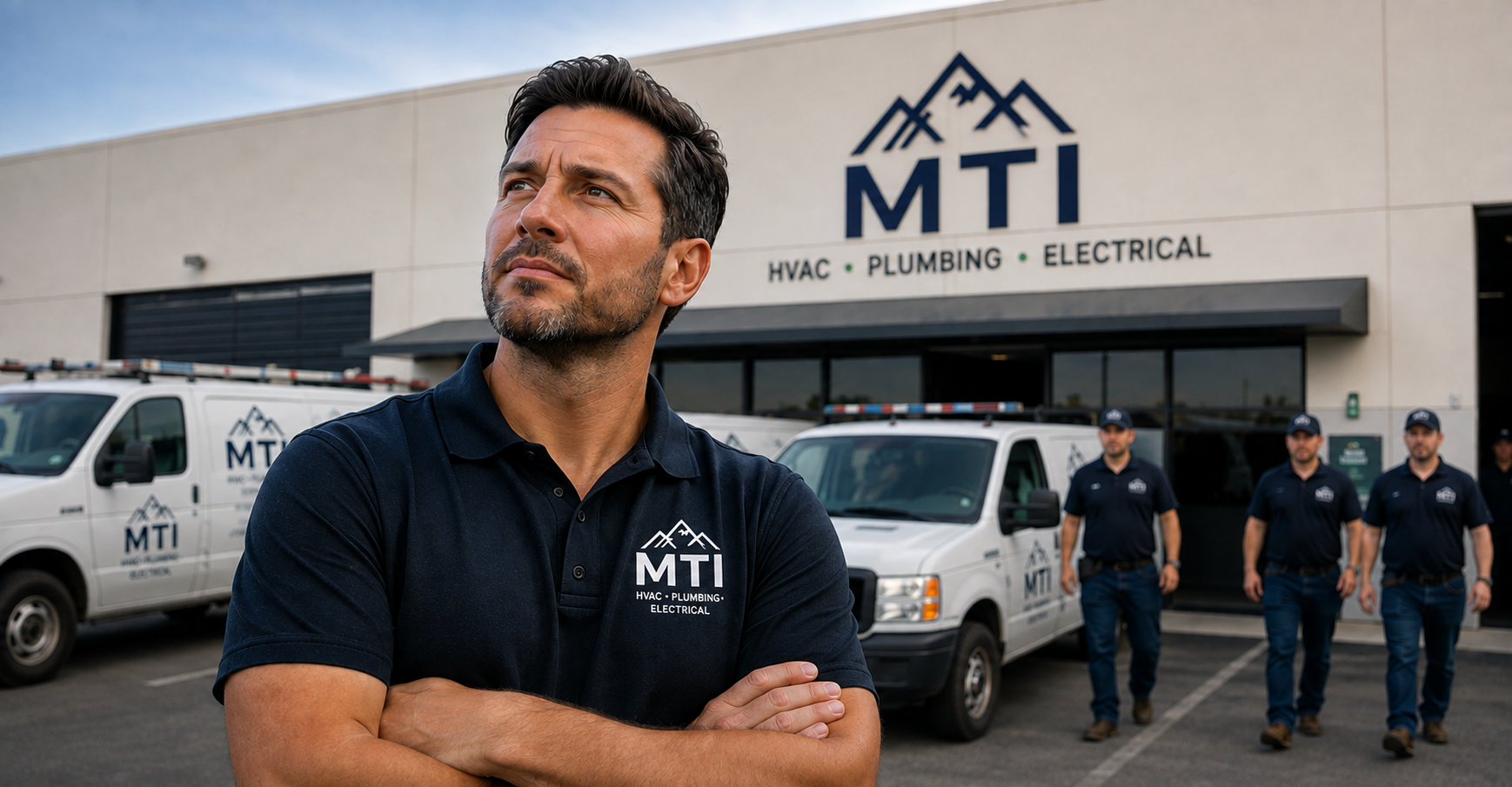
Your business didn't get here by accident.
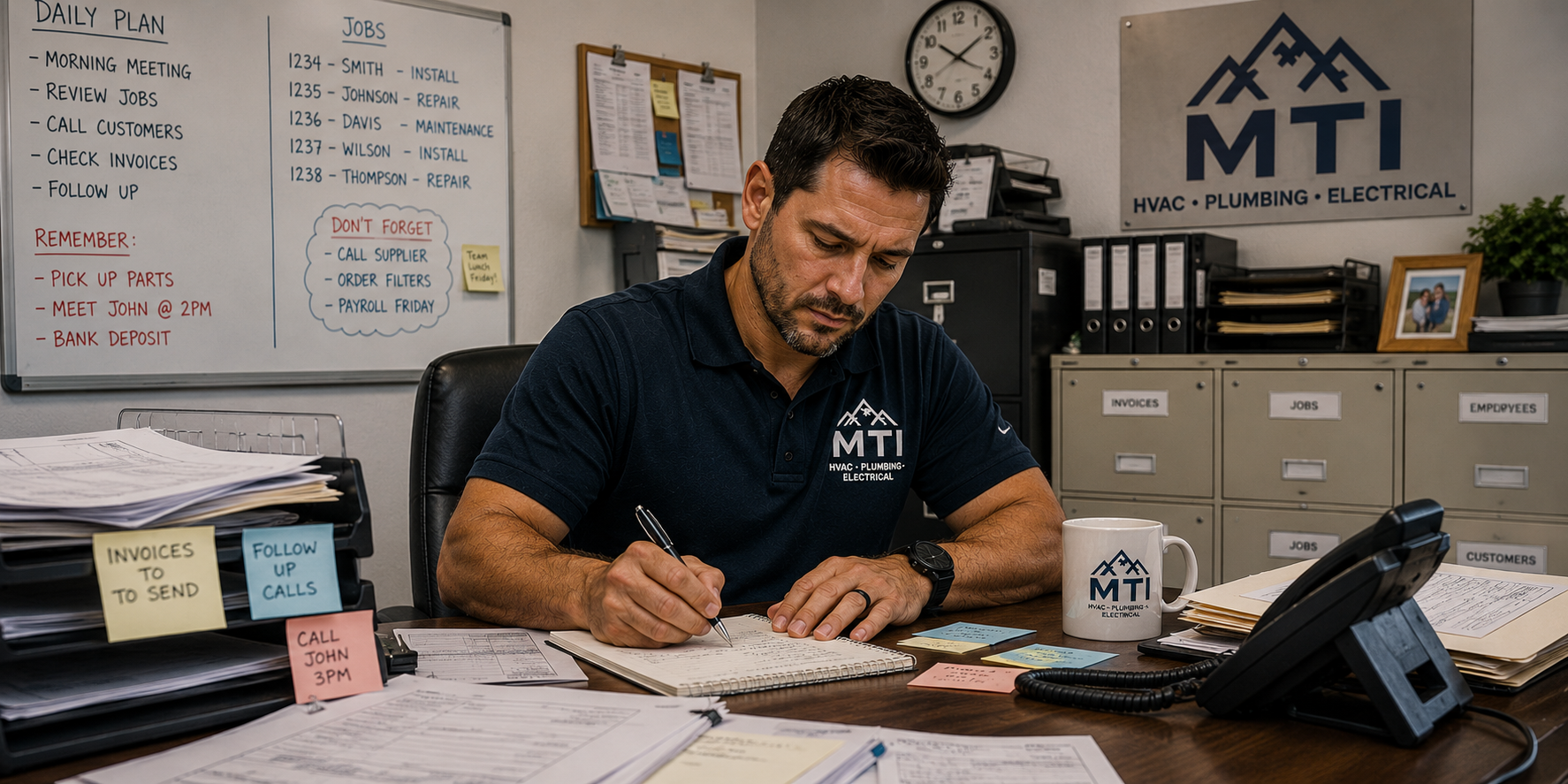
There was a time when you answered the phone.
You knew every customer.
You approved every purchase.
You knew what was in the bank.
You knew which jobs were coming in, which ones were finished, and who still needed to pay.
And it worked.
So you kept building.
You hired.
Customers multiplied.
Revenue grew.
Responsibilities were divided.
New systems were added.
New people took ownership of things you once handled yourself.
And somewhere along the way, something changed.
Not because the business failed.
Because it succeeded.
The company became bigger.
But here's the part of growth we don't talk about enough:
Every new level of business places a new demand on the infrastructure underneath it.
Success Changes What the Business Requires
The systems that carried 10 employees may struggle with 40.
The processes built for one location may strain under three.
The communication style that worked when everyone could fit around one table may collapse when departments begin forming.
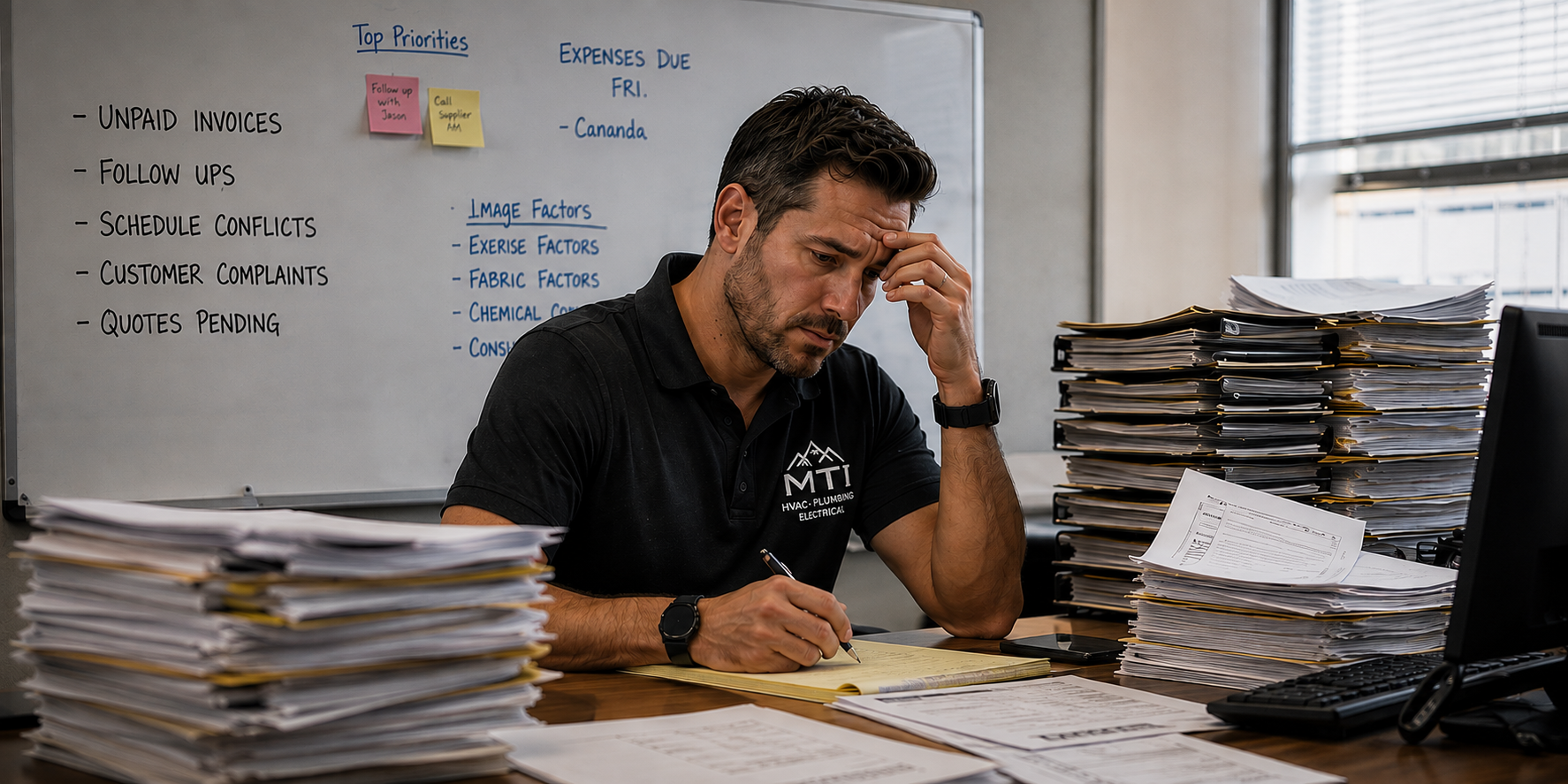
The office manager who once handled scheduling, customer calls, invoices, payroll questions, and a dozen other responsibilities may suddenly be overwhelmed—not because they became less capable, but because the business became more complex.
The owner who once knew everything happening inside the company may begin discovering problems only after they've become expensive.
A missed follow-up.
An invoice that wasn't collected.
A customer complaint that wasn't escalated.
A task everyone assumed someone else was handling.
A marketing campaign generating leads the office doesn't have the capacity to properly manage.
These problems can look unrelated.
Often, they're not.
They're signs that the business has outgrown parts of the infrastructure underneath it.
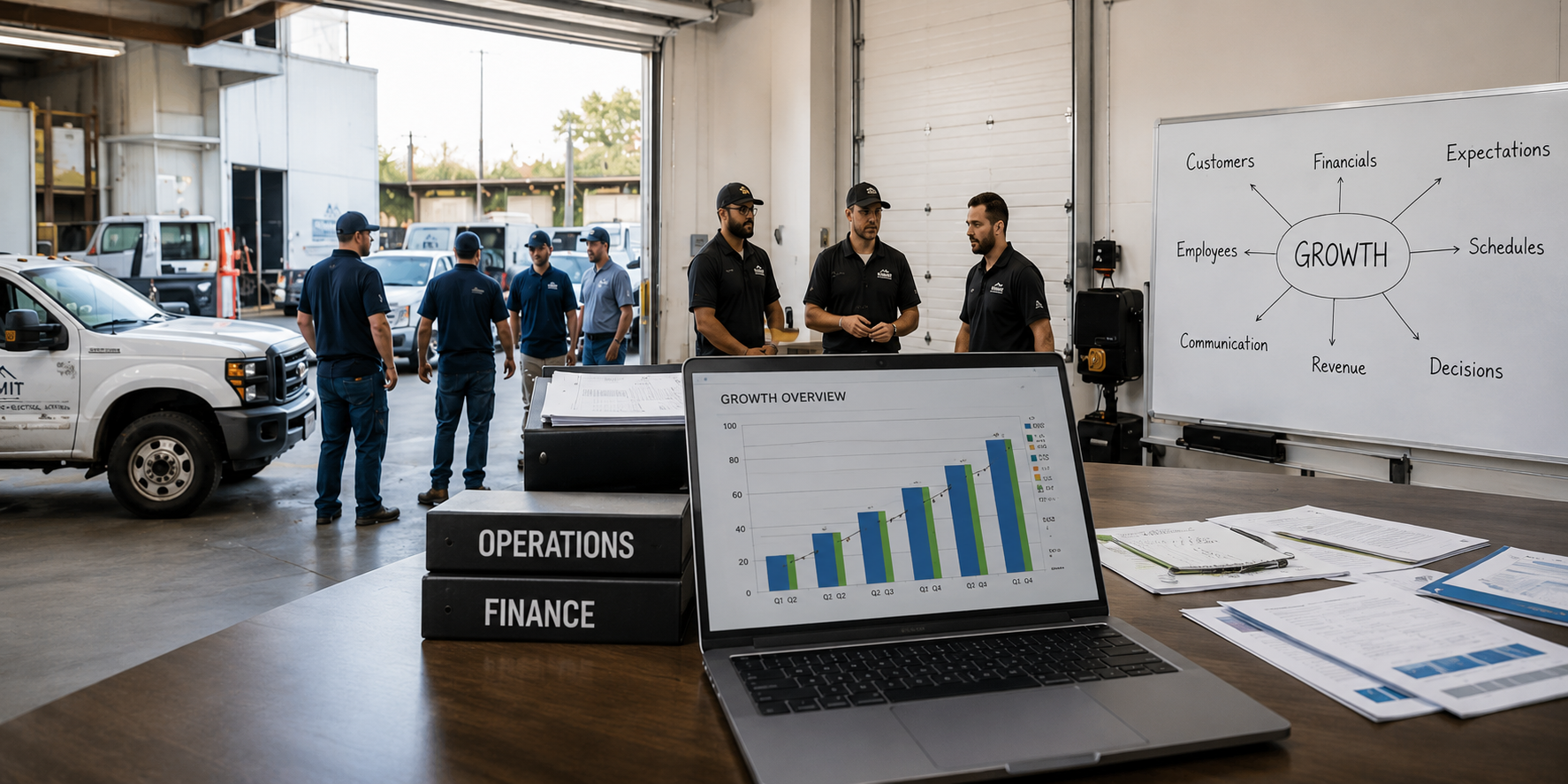
Growth Adds More Than Revenue
Growth adds customers.
But it also adds communication.
Transactions.
Employees.
Decisions.
Invoices.
Schedules.
Payroll.
Customer expectations.
Management responsibilities.
Financial complexity.
And every one of those things has to be carried somewhere inside the business.
That's why a company can be more successful than it has ever been and simultaneously feel more chaotic than it has ever felt.
From the outside, everything appears to be working.
Revenue is up.
The team is bigger.
The trucks are moving.
The phones are ringing.
But internally, people are working harder to keep everything connected.
Eventually, something has to change.
Not necessarily the people.
Not necessarily the vision.
And certainly not the ambition.
The infrastructure has to catch up with the growth.
What Worked Before Isn't Necessarily Built for What's Next
This is where successful owners can get stuck.
When something has worked for years, changing it can feel unnecessary.
Why change the process that helped build the company?
Because the company it was designed for no longer exists.
You're operating a different business now.
More customers.
More employees.
More revenue.
More responsibility.
More complexity.
That requires a different level of structure.
It may mean clearer workflows.
Better financial visibility.
Stronger accountability.
More defined responsibilities.
Better communication between departments.
Systems that allow information to move without depending on one person.
Processes capable of producing consistent results even as volume increases.
This isn't about replacing everything you've built.
It's about strengthening what sits underneath it.
Growth Doesn't Mean You Did Something Wrong
This distinction matters.
Operational strain isn't always evidence of bad leadership or poor decisions.
Sometimes it's evidence that the business grew.
The processes weren't necessarily broken when you created them.
They may simply have reached their capacity.
They worked.
They got you here.
That's something worth recognizing.
But what carries a company through one stage of growth may not be capable of carrying it through the next.
And that's where the conversation has to change.
Instead of asking:
"What's wrong with our business?"
Start asking:
"What has our business outgrown?"
That question leads to a very different kind of solution.
The Task Allot Perspective
At Task Allot, we believe growth should be supported by infrastructure that grows with it.
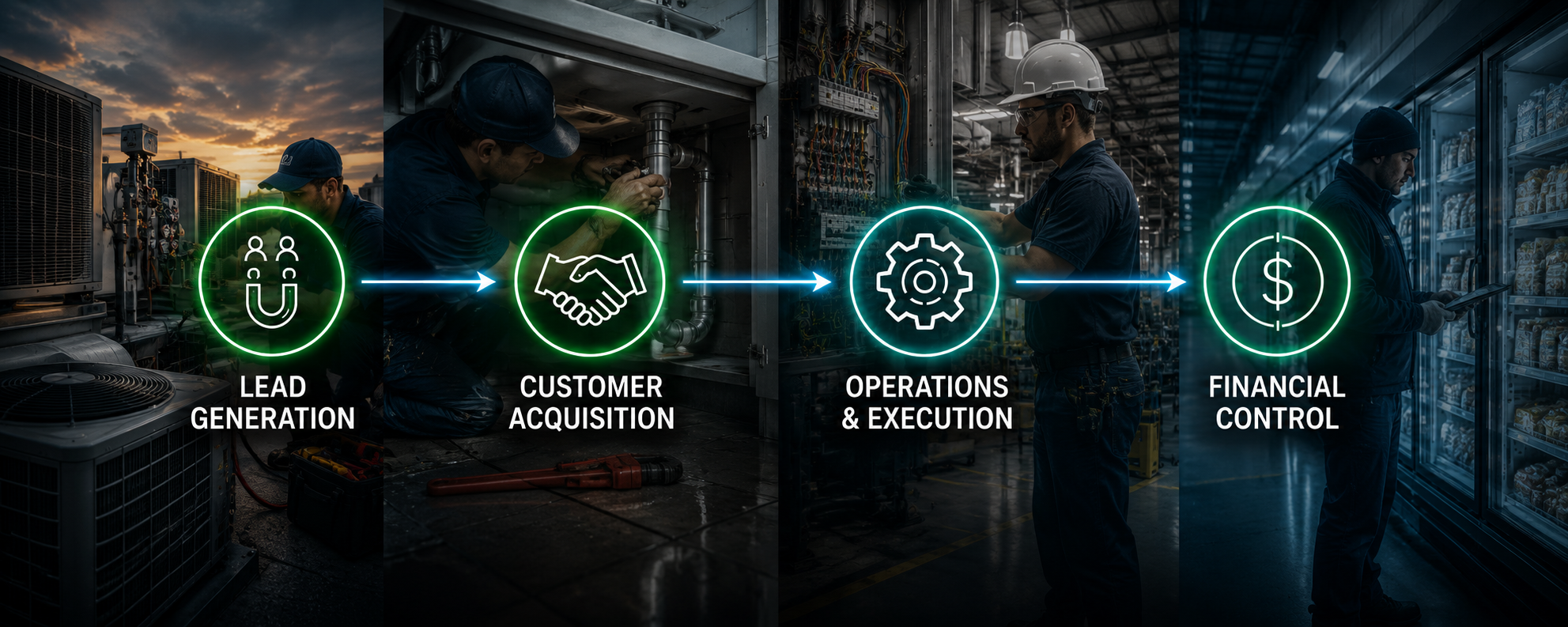
Lead generation cannot operate separately from customer acquisition.
Customer acquisition cannot operate separately from execution.
Execution cannot operate separately from financial control.
They are connected.
When one area begins struggling under the weight of growth, the effects rarely stay in that department. They travel across the business.
That's why sustainable growth requires more than adding another employee, another software platform, another marketing campaign, or another temporary fix.
It requires looking underneath the growth itself.
Because sometimes the business isn't struggling because something went wrong.
Sometimes the business is struggling because something went right—and the infrastructure hasn't caught up yet.
The Question for What's Next
Your business didn't get here by accident.
You built something that worked.
You created demand.
You built a reputation.
You hired people.
You grew.
Now the question isn't whether what you built was successful.
It clearly was.
The question is:
Is what got you here built to carry where you're going next?


.png)


.png)




.svg)

.svg)


